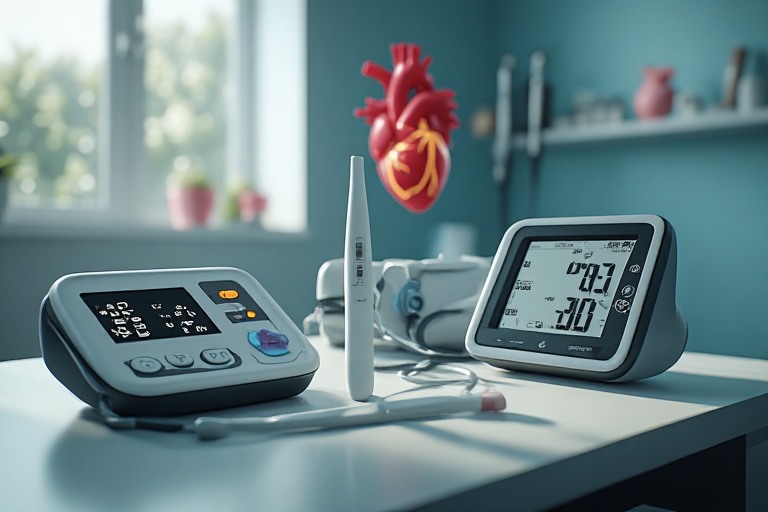
Understanding Body Temperature and Blood Pressure
Two simple measurements can tell us a lot about how the body is doing: body temperature and blood pressure. We often check them when someone feels unwell, but what do the numbers actually mean?
What Is Body Temperature?
Body temperature is a measurement of how warm your body is. It naturally changes throughout the day and can vary slightly from person to person. Factors such as physical activity, the time of day, hormones, and the method used to measure temperature can affect the result.
A fever generally means the body’s temperature has risen above its normal range, often as part of the immune system’s response to an infection or illness. In adults, a temperature of around 38°C (100.4°F) or higher is commonly considered a fever.
A fever isn’t an illness by itself. It is usually a sign that something is happening in the body. Other symptoms, such as chills, sweating, headache, weakness, or body aches, may occur alongside it.
What Is Blood Pressure?
Blood pressure measures the force of blood pushing against the walls of your arteries. A blood-pressure reading contains two numbers. The systolic number is the pressure when the heart contracts, while the diastolic number is the pressure when the heart relaxes between beats.
For example, a reading of 120/80 mmHg means a systolic pressure of 120 and a diastolic pressure of 80.
Why These Measurements Matter
Checking temperature and blood pressure can provide useful information about your health, but one reading doesn’t always tell the whole story. Blood pressure can temporarily change because of stress, exercise, caffeine, illness, or even talking during a measurement.
Similarly, temperature can vary depending on where and how it is measured.
When Should You Pay Attention?
A very high fever, difficulty breathing, confusion, severe weakness, chest pain, fainting, or other serious symptoms should receive prompt medical attention. Blood-pressure readings that are repeatedly unusually high or low should also be discussed with a healthcare professional.
Understanding these two basic measurements can make it easier to recognize changes in your body and communicate useful information to a healthcare provider when necessary.