Chefchaouen, Morocco
Imagine walking through a city where the walls are blue, the staircases are blue, the doorways are blue, and even your travel photos look like they’ve been dipped in blueberry paint! Welcome to Chefchaouen, Morocco, a magical mountain town famous for its dreamy blue streets, charming architecture, and relaxed atmosphere.
But here’s the big question: Why is everything blue? Did the residents have a massive paint sale, or is there something more interesting behind this colorful tradition?
A City That Looks Like a Dream
Nestled in the Rif Mountains of northern Morocco, Chefchaouen is often nicknamed the Blue Pearl. Its narrow alleyways wind between white-and-blue buildings, decorative doorways, flowerpots, and little shops selling handmade crafts.
Unlike a busy modern city filled with traffic and towering skyscrapers, Chefchaouen invites visitors to slow down and explore on foot. Every corner seems to offer another beautiful photograph, making it a favorite destination for photographers and travelers who love colorful places.
Just be warned: you might plan to take five pictures and end up with 500. Your phone storage may never forgive you!
So, Why Are the Streets Blue?
The origins of Chefchaouen’s blue-painted streets are not explained by one universally accepted theory. Several stories and traditions have been associated with the color.
One popular explanation connects the blue walls to Jewish communities who settled in the town during the 15th and 16th centuries. In some Jewish traditions, blue has spiritual significance and can symbolize the sky and heaven. Some accounts suggest that painting buildings blue became more widespread through this cultural influence.
Other explanations suggest that blue helps create a feeling of coolness in the warm climate or helps keep insects away. However, these ideas should be treated cautiously because the evidence for them is limited.
The town’s distinctive appearance has also evolved over time, with residents maintaining and repainting buildings as the blue streets became an important part of Chefchaouen’s identity.
So, no, the whole town probably didn’t wake up one morning and decide to join a giant Smurf convention!
What Can You Do in the Blue Pearl?
Although the blue streets are the main attraction, Chefchaouen offers much more than pretty walls.
Wander through the blue medina: The old town, known as the medina, is filled with winding lanes, traditional houses, small cafés, and shops selling colorful textiles, leather goods, pottery, and local souvenirs. Getting slightly lost can be part of the adventure, although remembering where you left your hotel is still a useful life skill!
Visit the historic Kasbah: Located near the main square, Plaza Uta el-Hammam, the Kasbah is a historic fortress with gardens, traditional architecture, and a museum. It offers a glimpse into the town’s history and provides a peaceful break from exploring the busy streets.
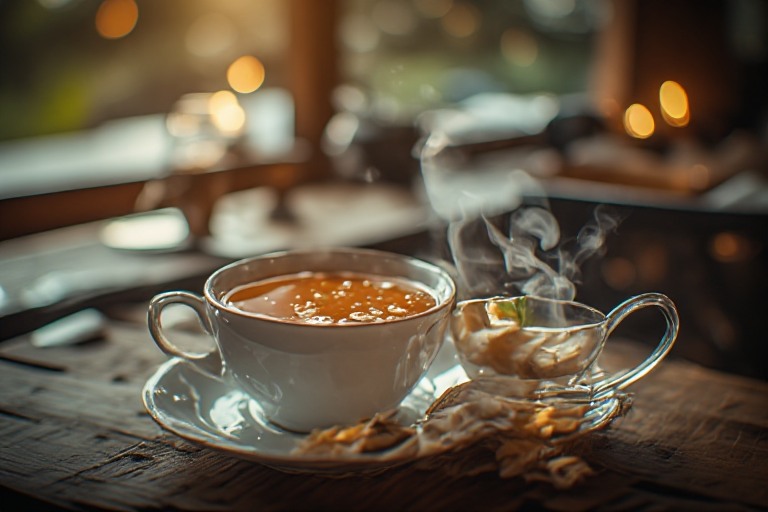
Enjoy Moroccan food: After all that walking, reward yourself with traditional Moroccan dishes. Try a fragrant tagine, couscous, freshly baked bread, or mint tea served in a small local café.
Moroccan mint tea is a beloved part of the country’s hospitality. After your first glass, you may find yourself wondering whether your regular tea at home has been missing a little personality!
Explore the Rif Mountains: Nature lovers can venture beyond the medina to discover mountain trails, scenic viewpoints, and the surrounding countryside. The nearby Talassemtane National Park is known for its mountain landscapes and natural beauty.
Comfortable walking shoes are a good idea because the town’s sloping streets and staircases can turn sightseeing into an unexpected leg workout.
When Is the Best Time to Visit?
Spring, from March to May, and autumn, from September to November, are often pleasant periods for exploring Chefchaouen, with milder temperatures than the hottest summer months.
Summer can bring warmer weather and more visitors, while winter may be cool and rainy in the mountains. Conditions vary, so check the forecast before packing.
For the best experience, explore the medina early in the morning or later in the afternoon, when the light can make the blue walls especially beautiful. These quieter periods can also help you enjoy the streets without feeling as though you’re starring in a travel influencer convention!
Is Chefchaouen Worth Visiting?
Absolutely, if you enjoy colorful architecture, local culture, mountain scenery, and destinations with a distinctive atmosphere.
Chefchaouen’s appeal lies in more than its paint. Its history, traditional Moroccan hospitality, handmade crafts, food, and mountain setting all contribute to its charm.
And while the exact reasons behind its blue appearance remain a mixture of cultural history and popular explanations, that mystery only adds to the town’s fascination.
The Final Word: Life Is Better in Blue!
Chefchaouen is proof that an ordinary street can become extraordinary through color, tradition, and a little imagination. From its blue-washed alleyways to its mountain views and delicious Moroccan food, the city offers plenty of reasons to put it on your travel wish list.
You might arrive looking for an explanation for the blue paint, but leave with a camera full of pictures, a souvenir or two, and a sudden desire to repaint your bedroom!
After all, when an entire city looks like a fairytale, who wouldn’t want to take a little piece of that blue magic home?